

Your questions, answered

Your questions, answered

The questions travellers ask us most often, gathered in one place: when to travel, how far ahead to plan, what a safari day really feels like, how to pack for it, and how to begin.

Scroll to explore

Planning your trip

When is the best time to travel to Tanzania?

There is no single answer, which is part of the country's appeal. The dry months from roughly June to October bring clear light, thinner vegetation and wildlife gathered around water, and they are the most popular months on the northern circuit. The short rains fall around November, and the longer rains from roughly March to May turn the plains green and the skies dramatic; the landscape is at its most beautiful and the parks at their quietest. The great herds move with the rains rather than a calendar, so we plan for a season rather than promise a spectacle on a given day.

How far ahead should I book?

For the dry season and the December to February window, the smaller Serengeti camps and the lodges around the Ngorongoro Crater are often full six to twelve months ahead. If your dates are fixed by school holidays or a milestone occasion, it is worth starting the conversation early. If you can be flexible, the greener weeks at either end of the season can be planned closer to the time.

How long should a safari be?

Three to five nights on safari suits most first visits, with two nights in one place and two in another so that you are not always in the vehicle. Add a few days on the coast afterwards if you would like the trip to end slowly.

On safari

What will I see?

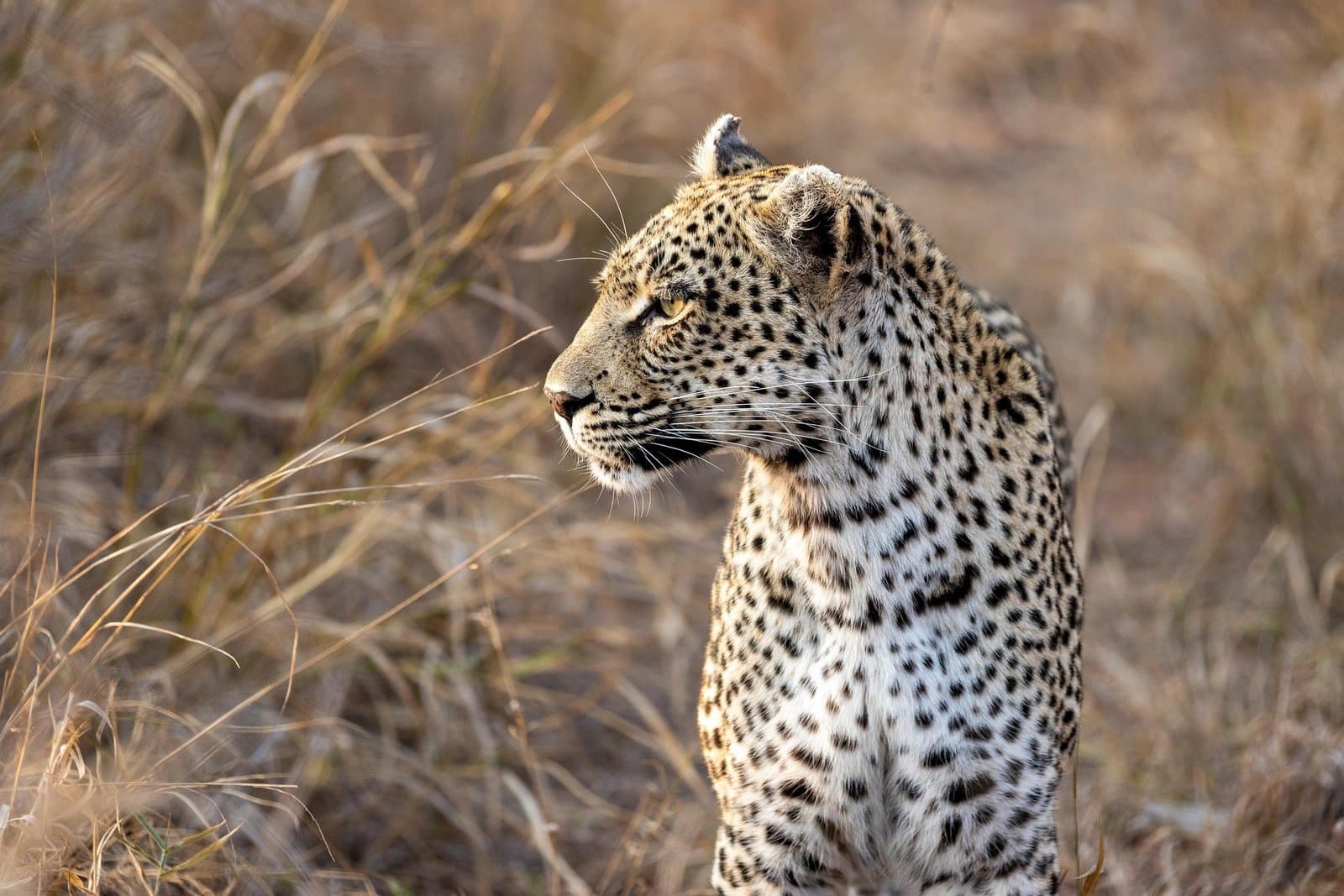
The northern circuit is best known for its big cats, elephant, buffalo, giraffe, zebra and wildebeest, with black rhino in the Ngorongoro Crater and a chance of leopard in the Serengeti's riverine woodland. The birdlife repays a pair of binoculars at any time of year. Nothing is guaranteed — these are wild animals moving through vast country, and a quiet afternoon followed by an unexpected one is the honest rhythm of a safari.

How much driving is involved?

More than the photographs suggest. Park roads are unpaved, distances are long and progress is slow. Guides usually head out at first light, return to camp through the heat of the middle of the day and go out again in the late afternoon, which gives the best light for wildlife and the best rest for you.

Can children come?

Many camps and lodges welcome families, but age policies differ: some set minimum ages for game drives or walking, and a few are deliberately adult-only. Tell us the ages of the children travelling and we can point you towards camps that suit them.

Walking, ballooning and time with communities

Walking safaris, hot-air balloon flights and visits to Maasai communities can usually be built into an itinerary. Community visits should always be arranged with the community's agreement and led by people who live there, on terms they have set. Before you go, it is worth asking how a visit is organised, who benefits and what photographs are welcome.

Practical matters

What should I pack?

Neutral colours, layers and soft bags. A workable baseline:

  • Clothing: light long-sleeved shirts and trousers for sun and insects, a warm fleece or down layer for early game drives and the crater rim, a hat and a light rain shell.
  • Footwear: closed walking shoes or boots you have already broken in, plus sandals for camp.
  • Sun and dust: high-factor sunscreen, lip balm, sunglasses, a buff or scarf, and eye drops if you wear contact lenses.
  • Health kit: prescription medicines in their original packaging, insect repellent, rehydration sachets, plasters and a small personal first-aid kit.
  • Equipment: binoculars for everyone if you can manage it, spare camera batteries and memory cards, a head torch and a plug adaptor for British-style three-pin sockets.

Domestic flights between parks carry strict baggage limits, so soft holdalls travel better than hard cases. Ask us for the current allowance on your route.

Visas, health and insurance

Entry requirements, vaccination recommendations and statutory park fees are set by governments and can change at short notice. Check the official immigration and health sources for your nationality before you travel, and speak to a travel health clinic about malaria prophylaxis and routine vaccinations. Comprehensive travel insurance that includes medical evacuation is essential.

Money, tipping and connectivity

Larger camps and lodges generally accept cards, while cash remains useful for tips and small purchases along the way. Tipping is discretionary — a thank-you, never an obligation. Mobile coverage is patchy inside the parks and Wi-Fi, where it exists, is slow. Treat the disconnection as part of the trip.

Asking us directly

How do I start planning?

Send us your rough dates, who is travelling and what you would like the trip to feel like — a first safari, a honeymoon, a family adventure, or a slow few weeks with the coast at the end. From there we can suggest a route, a pace and a season, and refine it as your thinking firms up. Nothing needs to be decided all at once.

What if my question is not here?

Ask it. Every itinerary begins with a conversation, and the questions that matter most are usually the specific ones: which camp suits a nine-year-old, how much time to allow between the crater and the coast, whether August or February will feel right for you.

Good to know

A little clarity before you go.

Have a question about your own journey? Talk to our team.

Is Tanzania good for first-time safari travellers?
How many days should I spend on safari?
Can I customize my safari?
Can you arrange airport transfers?
Can you arrange accommodation?
Can I combine Tanzania safari with Zanzibar?
Do you offer family safaris?

The most useful answer will be specific to your family rather than a general yes or no. Family travel in Tanzania needs careful planning, and the right trip depends on your children’s ages, the season, how much time you want to spend in a vehicle and the pace that suits your group.

If you are considering a family trip to Tanzania, tell us who is travelling, when you hope to travel and what you would like the journey to include. We can then discuss what may be practical and comfortable.

  • Younger children often do better with shorter drives and more frequent breaks.
  • Private guiding and a private vehicle can give families more flexibility.
  • Some camps and lodges have age restrictions or family-specific arrangements.
  • Visa, health, insurance and park fee rules should always be checked with the relevant official sources before you book.
Do you offer luxury safaris?

We do not sell our safaris as a fixed luxury tier, so a plain yes or no would miss the point. What shapes a journey here is what you have in mind: the standard of the places you stay, how private the trip feels, the pace of the days and how long you spend in one place.

Tell us what luxury looks like for you, and we will be straight with you about what is possible in Tanzania, what it would look like in practice, and what each option includes.

A journey that feels like you.

Tell us where you want to go and how you like to travel. Our local team will help you bring it together.

Plan your journey
Chat with our local team