

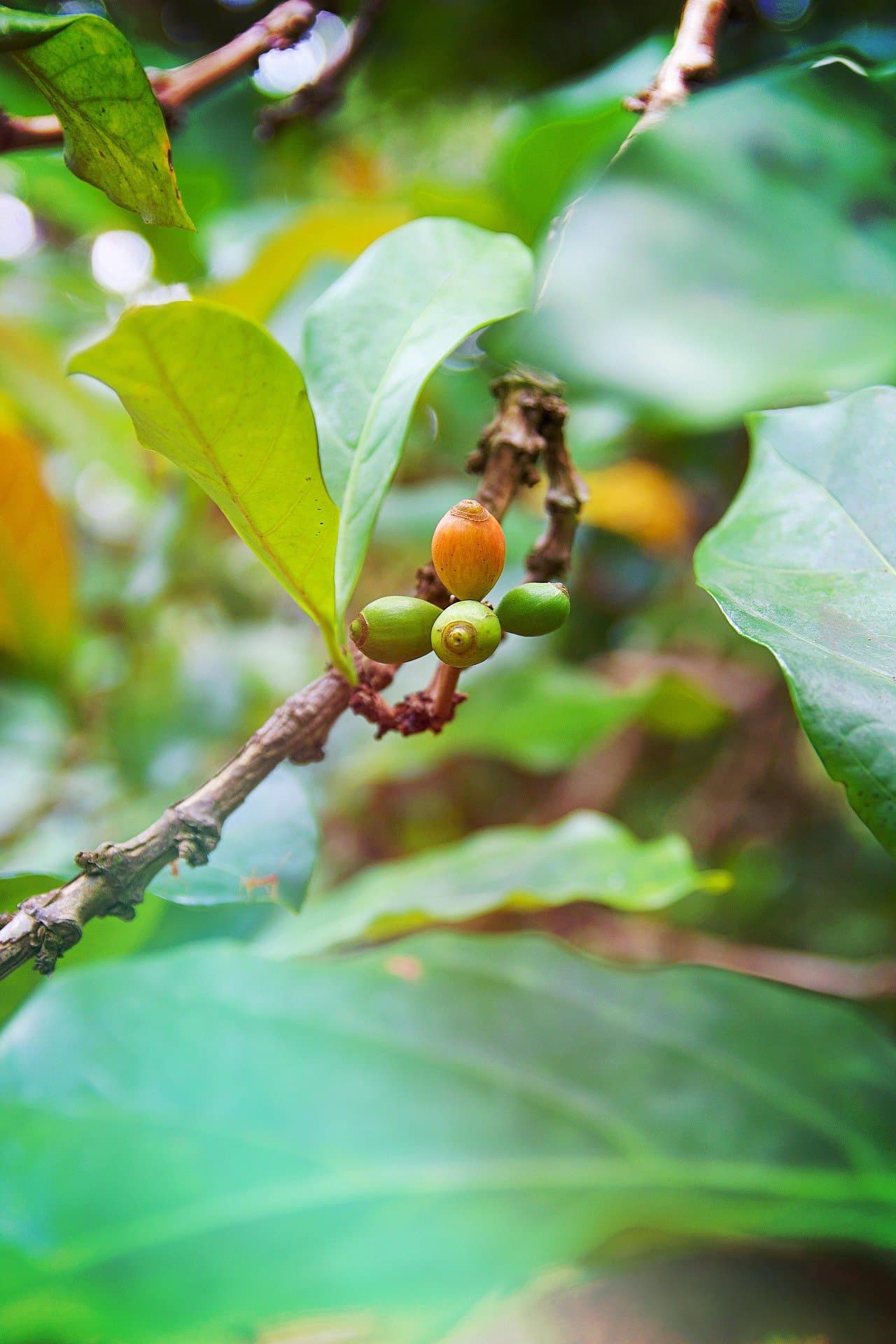
Tanzanian Coffee: From Farm to Cup
Tanzania's coffee grows on high ground — smallholder shambas shaded by banana and fig trees, where the cherries are still picked by hand. Spend a few hours with the people who farm, process and roast it, and taste the day's lot at the cupping table.
The experience
Tanzanian coffee grows on high ground. On the slopes of Kilimanjaro and Mount Meru, in the highlands around Karatu, and away south in the hills near Mbeya and Mbinga, smallholder families tend Arabica in the shade of banana, fig and grevillea trees. Altitude, rainfall and soil shift from one ridge to the next, and so does the cup — which is why time spent on a coffee farm here is as much about the place as the drink.
A visit usually begins on the shamba itself, walking the rows with the family who farms it. You will hear how the trees are pruned and mulched, how shade and intercropping keep the soil in condition, and what the season is doing to the crop. If you come during the harvest, you may pick ripe red cherries into a basket yourself, choosing only those that come away easily — the same judgement the pickers make, pass after pass along the row.
From there, follow the cherry through its first steps: pulping the same day, a measured fermentation, washing, and drying slowly on raised beds, raked and turned as the sun allows. Then come milling and roasting, and the moment the visit turns on — sitting down to cup the coffee at the table, comparing lots, and talking about what you can taste. Tanzanian Arabica is often described as bright and lively, with blackcurrant, citrus, berry or a wine-like depth, though the honest answer is that every lot differs.
Afterwards there is usually time to sit with a fresh cup and ask questions, and where a farm sells its coffee, to take home beans you have watched being made.
What to expect
The shape of a coffee visit varies between farms and seasons. Some travellers spend a few hours on the farm; others stay longer when picking, processing, roasting and cupping are all part of the day. Coffee also sits easily beside a safari — the northern coffee hills lie close to Arusha, and the southern highlands can be threaded into a longer route — so it can be a single unhurried morning away from the vehicle, or a theme running through a journey.
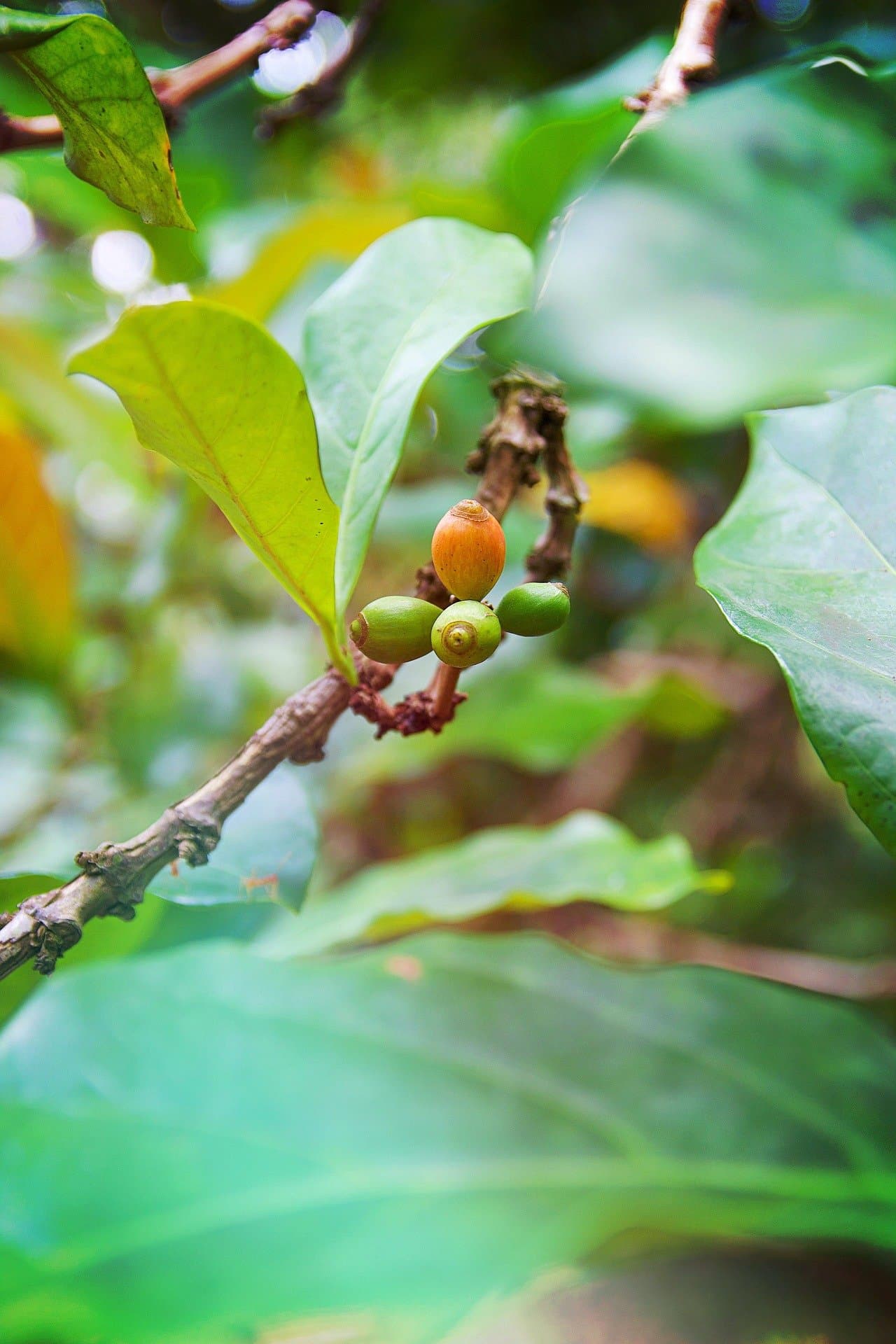
Come expecting to be outdoors and on your feet, walking farm paths and standing at the pulpery and drying beds. Mornings at altitude can be cool and damp, afternoons warm, and rain is always possible in the growing season. The people who lead these visits are the ones who farm the coffee, so the conversation is practical rather than staged — ask freely, and let them set the pace.
- Season — flowering, harvest, processing and roasting all follow the local calendar, which varies with altitude and region. Tell us your dates and we will say honestly what is likely to be happening on the farms.
- Footwear and terrain — closed shoes with grip; paths between the trees can be steep, muddy or uneven.
- Sun and rain — hat, sunscreen and a light rain layer, plus long sleeves if you plan to walk through tall grass.
- At the cupping table — coffee is tasted strong and usually black. Eat something beforehand if caffeine tends to affect you.
- Photography and privacy — ask before photographing people, homes or equipment, and follow your host's lead on what feels comfortable.
- Buying beans — where a farm sells its own coffee, local currency in small notes is useful, and a little space in your luggage is worth keeping free.
A journey that feels like you.
Tell us where you want to go and how you like to travel. Our local team will help you bring it together.
The journey continues
Keep exploring.
Experience
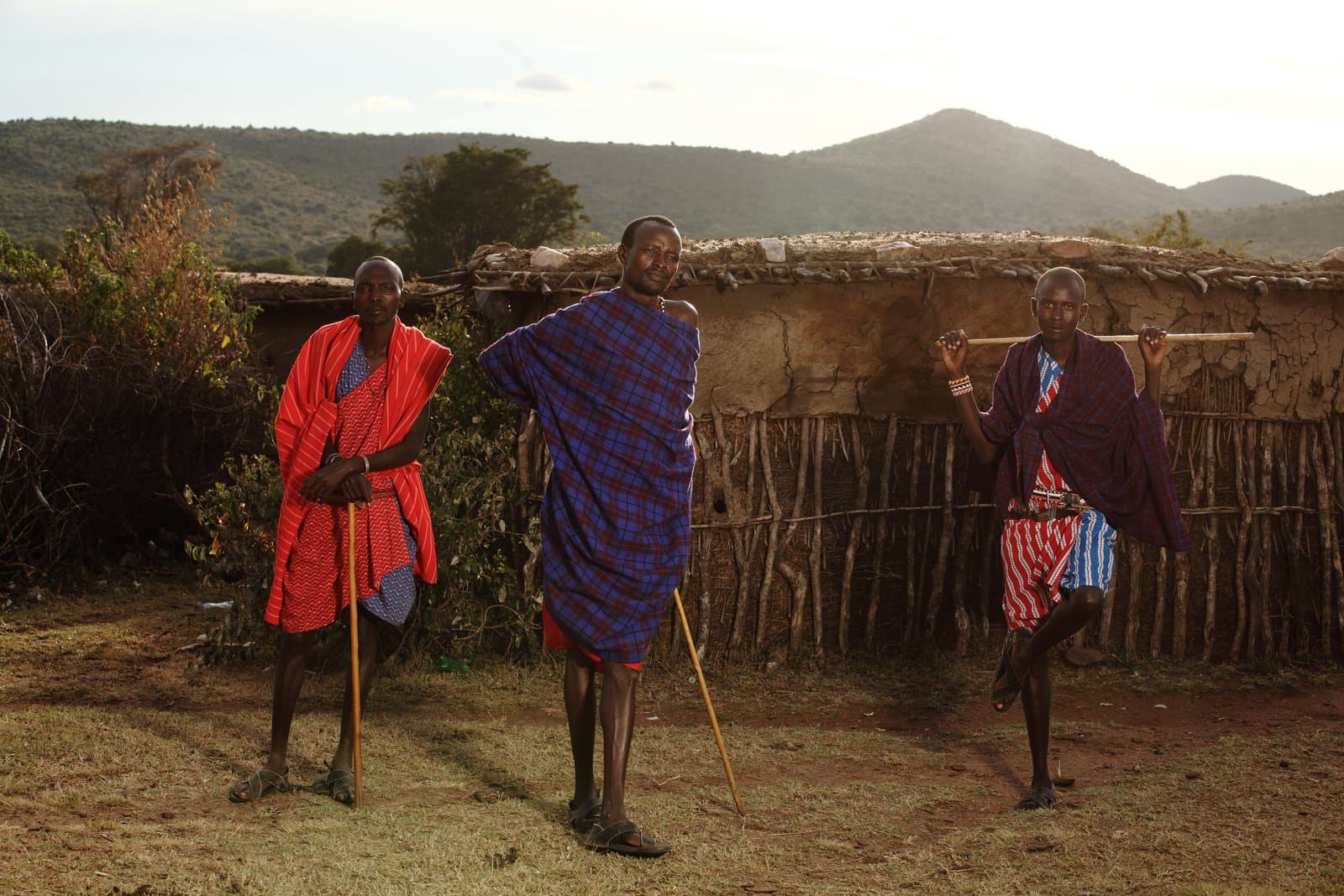
Maasai Experiences in Tanzania
Maasai experiences in Tanzania, arranged as part of a Finest Vision Adventures journey. We shape the detail with you when your itinerary is planned, and plan each visit with care and the community's consent.
Explore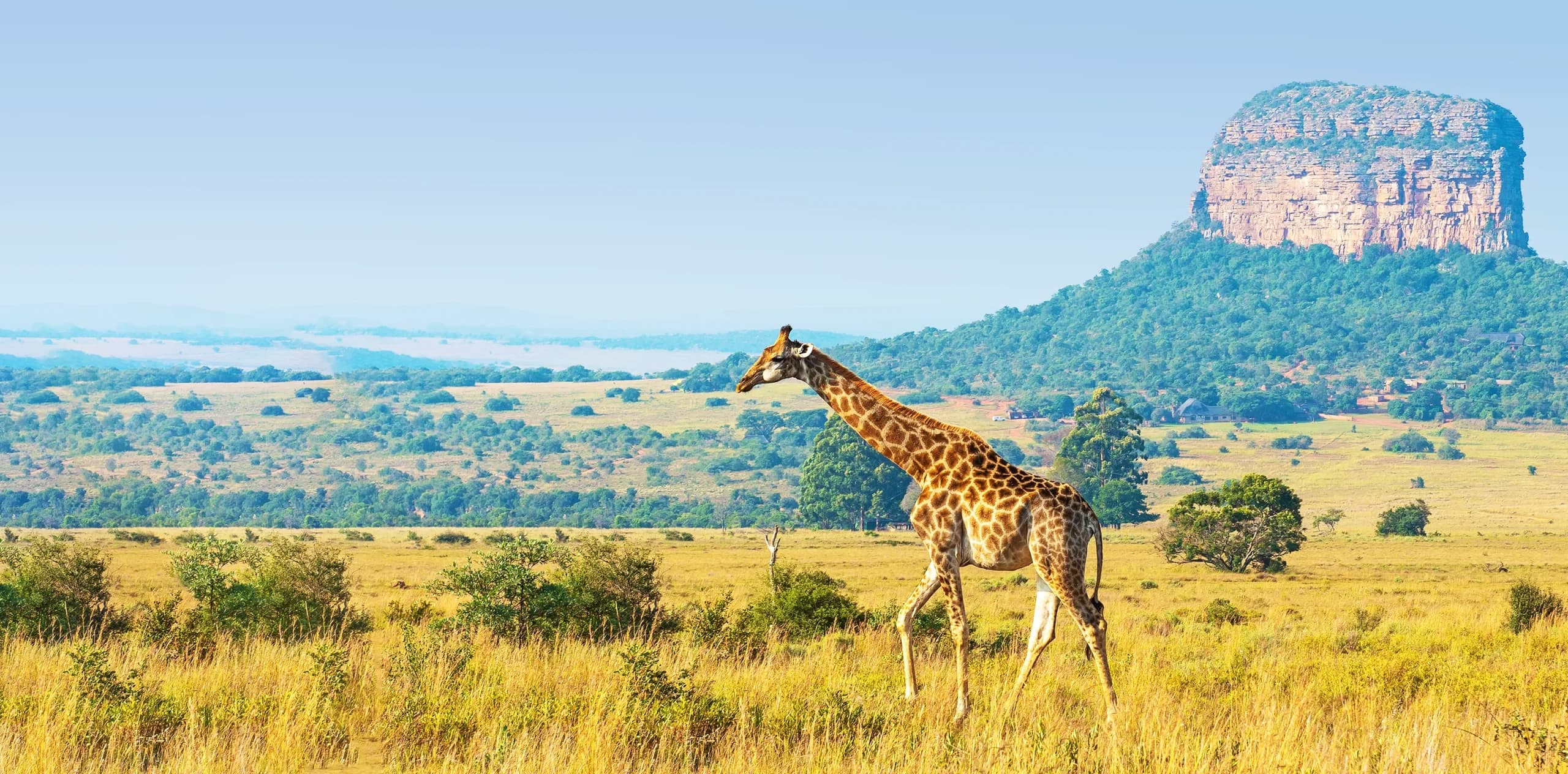
Experience
Tanzania Wildlife Safari
Tanzania holds some of the most varied wildlife country in Africa. This is a safari built around watching, waiting and travelling at the pace the bush sets, rather than a fixed list of sightings.
Explore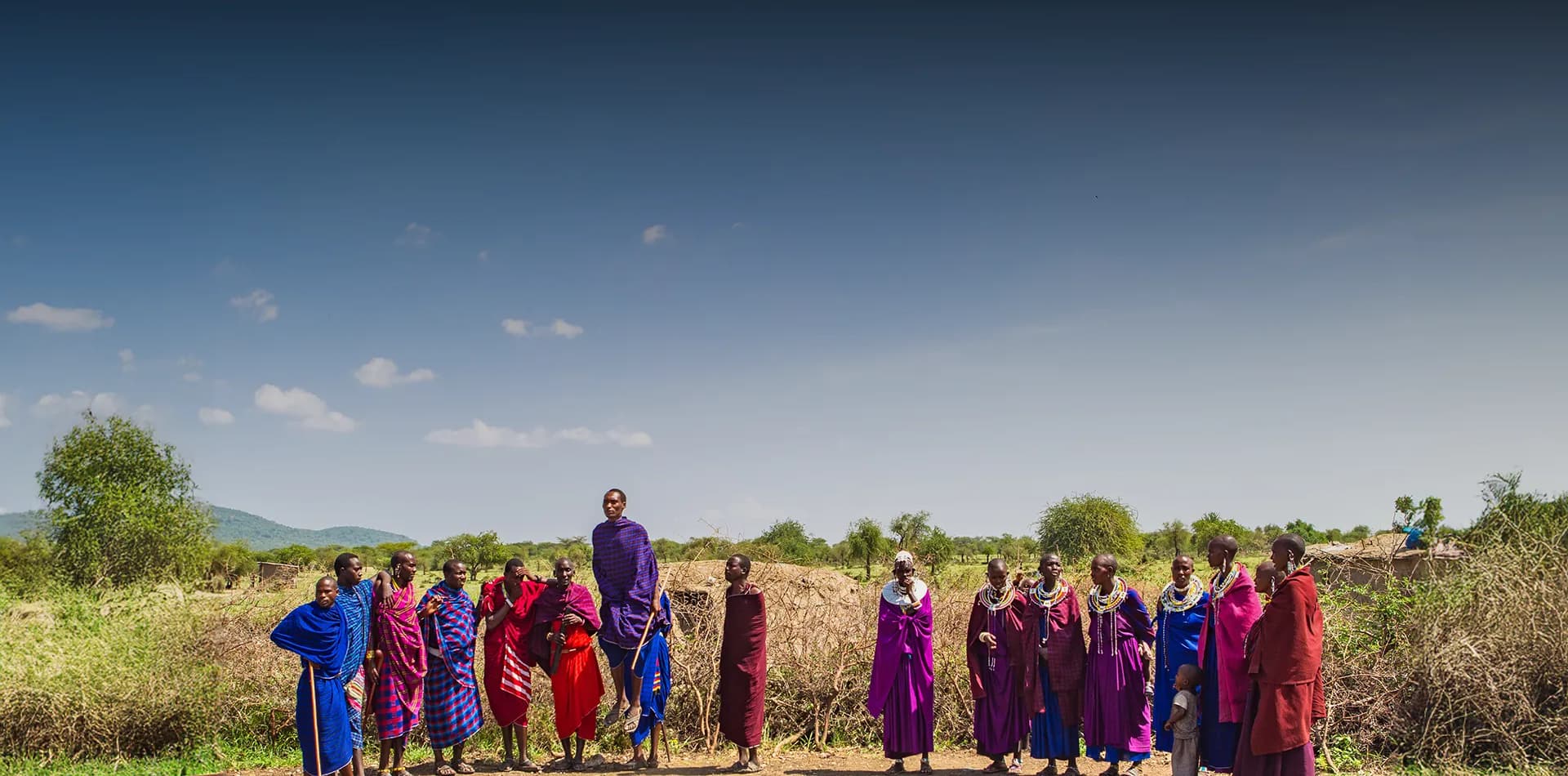
Experience
Culture
Time with Tanzania's people and everyday culture, alongside the landscapes you have come to see.
Explore