

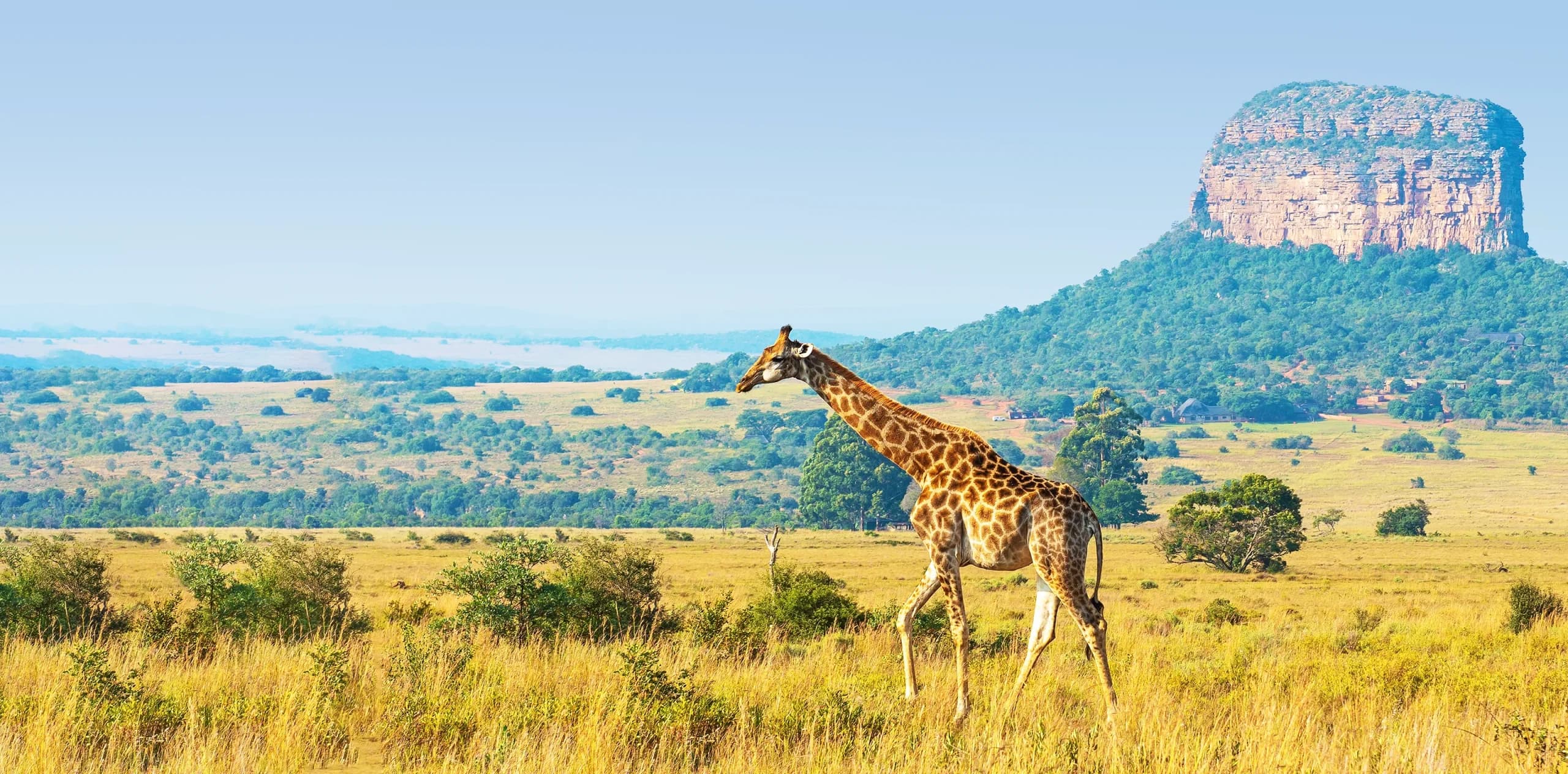
Tanzania Wildlife Safari
Tanzania holds some of the most varied wildlife country in Africa. This is a safari built around watching, waiting and travelling at the pace the bush sets, rather than a fixed list of sightings.
The experience
Tanzania's wildlife is not confined to one place or one season. Herds move with the rains, predators follow the herds, and the whole system rearranges itself through the year. A safari here is less a checklist than a way of travelling: rising early, watching, waiting, and letting the day be shaped by what is actually happening out there.
Mornings usually begin before sunrise, when the air is cool and the bush is at its most active. The middle of the day belongs to shade and a long lunch; the late afternoon brings the low, golden light photographers travel for, and a second movement of animals as grazers feed and hunters begin to hunt.
The route is planned around your dates and interests rather than fixed in advance. The wider Serengeti ecosystem, the Ngorongoro Crater, Tarangire and Lake Manyara are the best-known names, but the right combination depends on the season, how much driving you enjoy, and whether you would rather sit still in one place or see several.
What to expect
Wildlife is wild. Nothing is staged, sightings cannot be guaranteed, and the best days are often the ones that do not follow the plan. What can be shaped is everything around that: where you stay, how far you drive, when you stop, and how much time you leave simply for looking.
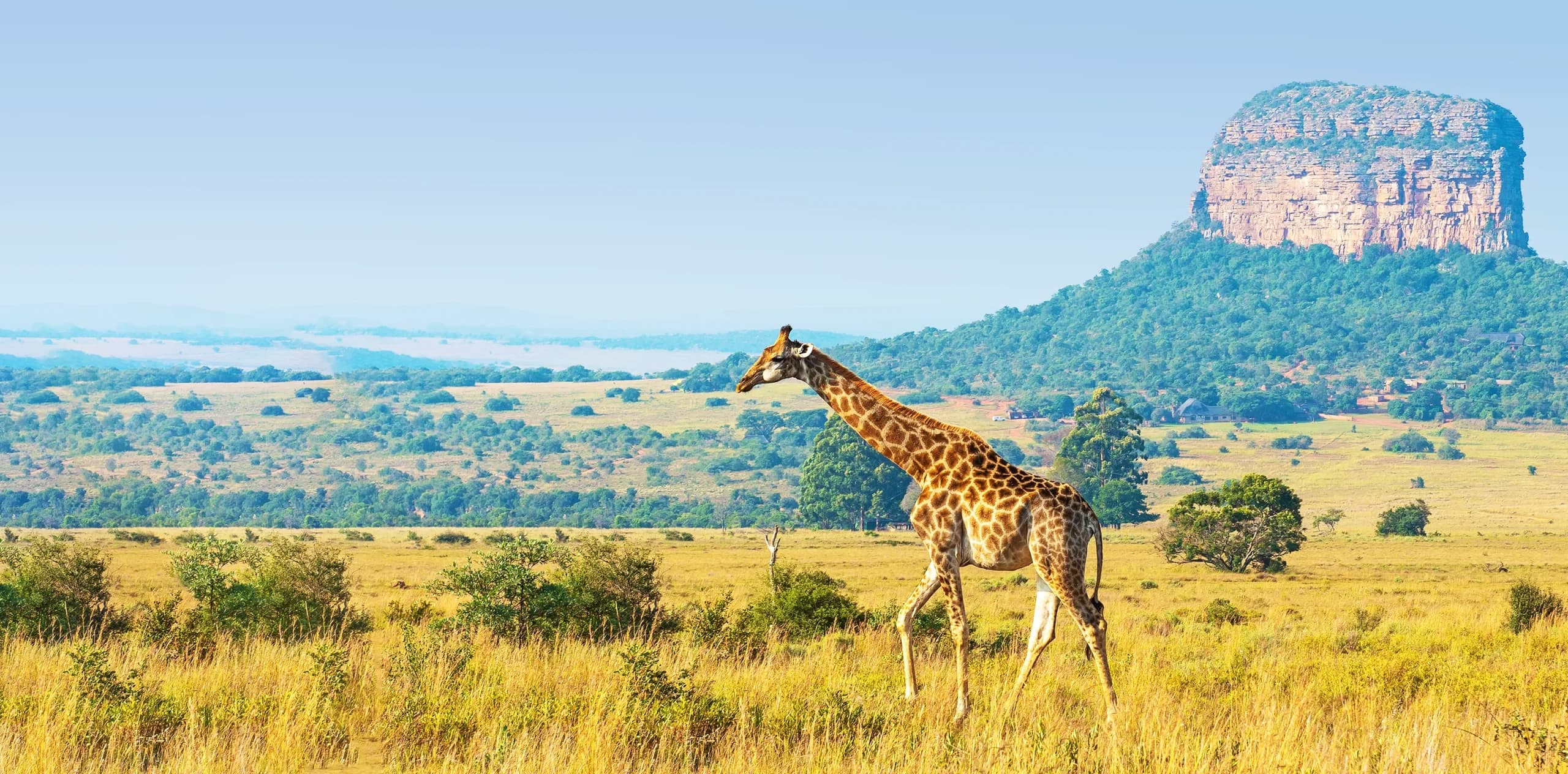
Days tend to follow the animals rather than the clock: an early start, a return to camp for the hottest hours, and time out again in the late afternoon. Some travellers want two drives a day and an early night; others prefer fewer, longer excursions with more sitting and watching. Say which you are and the trip can be built that way.
Comfort ranges widely across Tanzania, from simple tented camps in the bush to more comfortable lodges with hot water and electricity. The trade-off is usually solitude against convenience. Neither is better; they suit different travellers and different parts of a trip, and mixing them often works well.
- Timing: the drier months from roughly June to October tend to make game viewing easier, while the greener months bring fewer vehicles, dramatic skies and strong birdlife. Conditions vary year to year.
- Pacing: long driving days cover ground but leave less time to watch. Fewer, closer parks often give a richer trip than a long list.
- Light and photography: early mornings and late afternoons give the best light, and a beanbag or window support usually helps more than a longer lens.
- Health and paperwork: visas, vaccinations, malaria precautions and park fees are set by official bodies and change from time to time. We confirm the current position with you before travel and recommend checking government sources yourself.
- Respect: where visits to Maasai or other communities form part of a trip, they are arranged on the community's terms, with permission and at a pace they set.
A journey that feels like you.
Tell us where you want to go and how you like to travel. Our local team will help you bring it together.
The journey continues
Keep exploring.
Experience
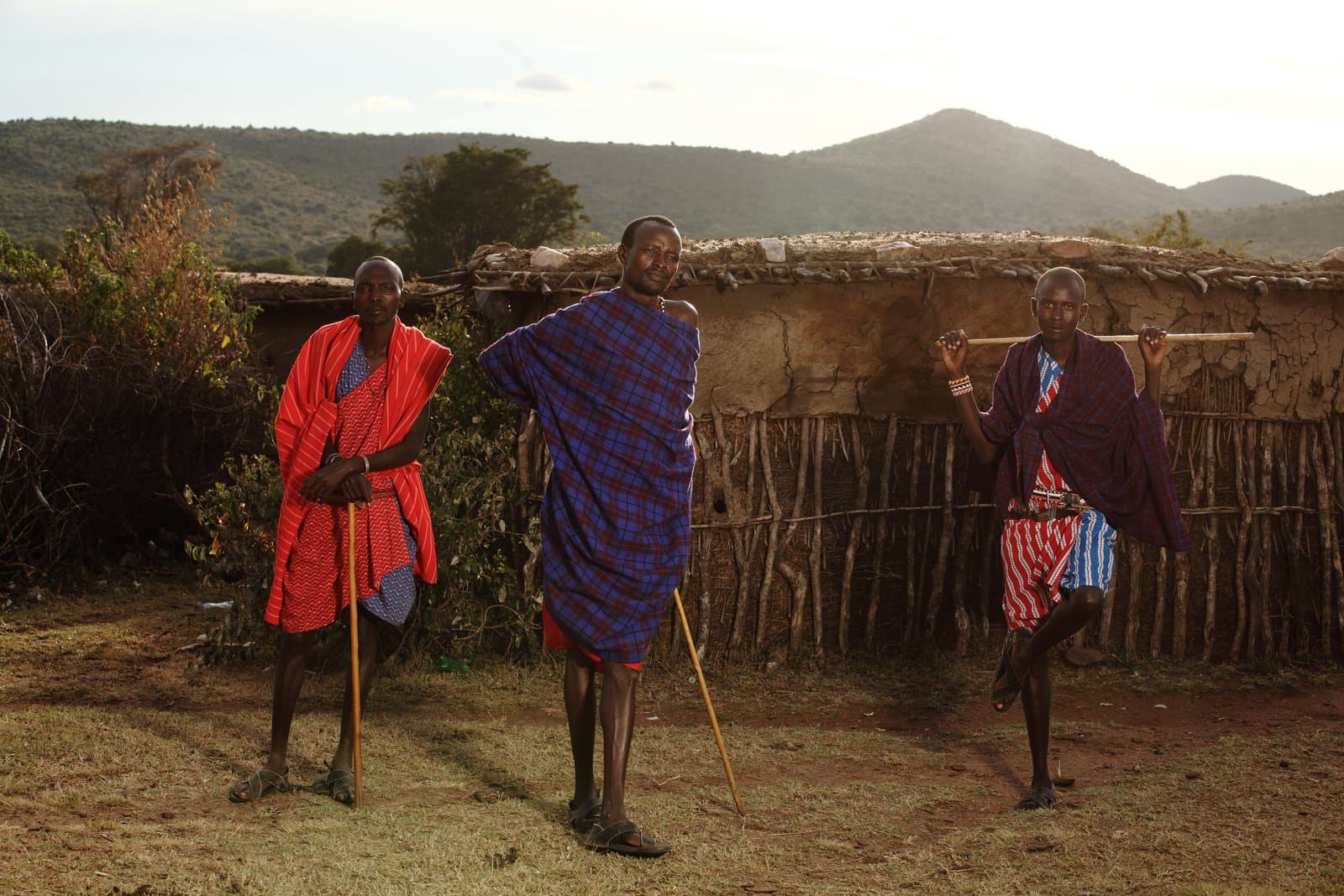
Maasai Experiences in Tanzania
Maasai experiences in Tanzania, arranged as part of a Finest Vision Adventures journey. We shape the detail with you when your itinerary is planned, and plan each visit with care and the community's consent.
Explore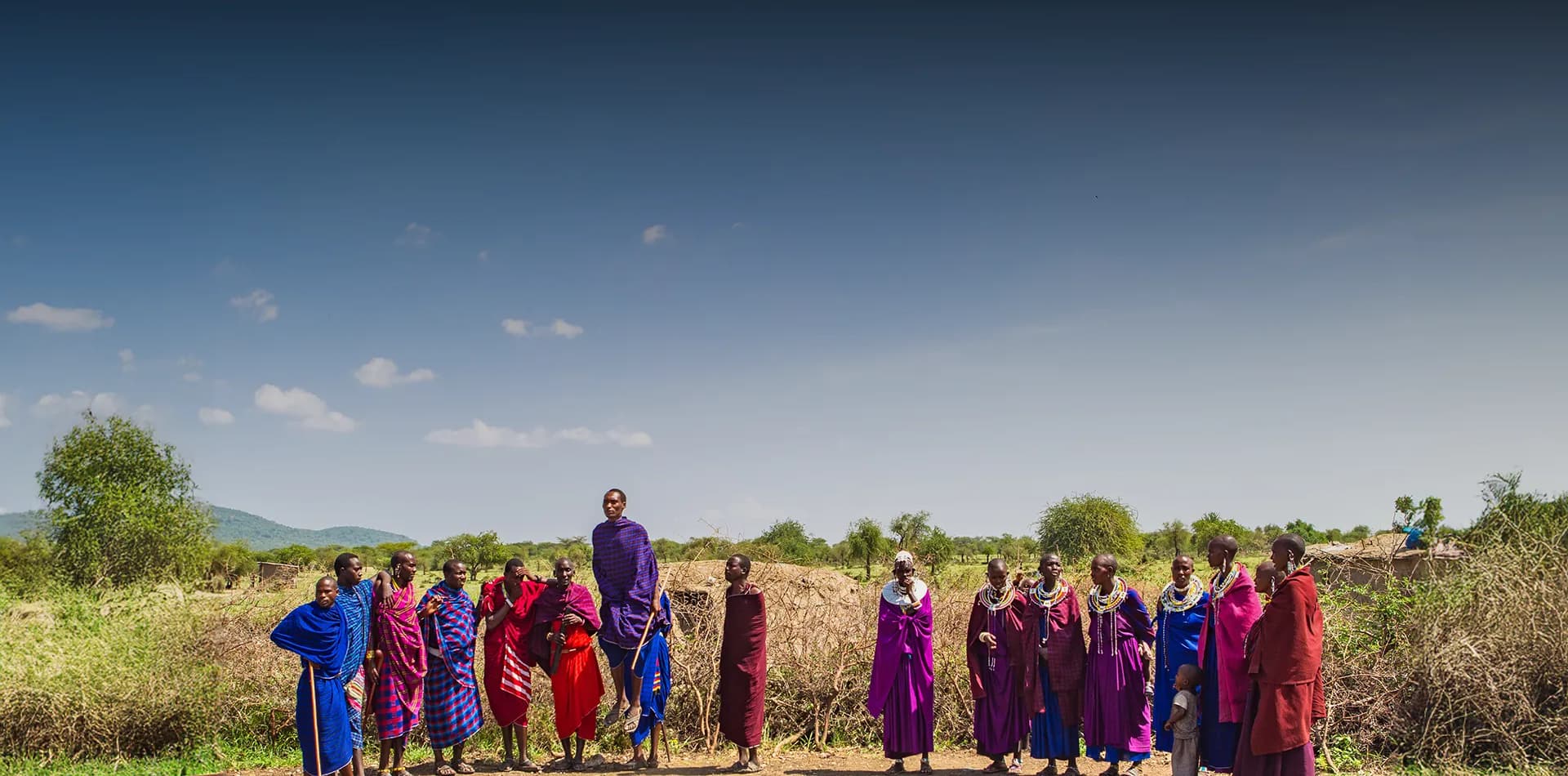
Experience
Culture
Time with Tanzania's people and everyday culture, alongside the landscapes you have come to see.
Explore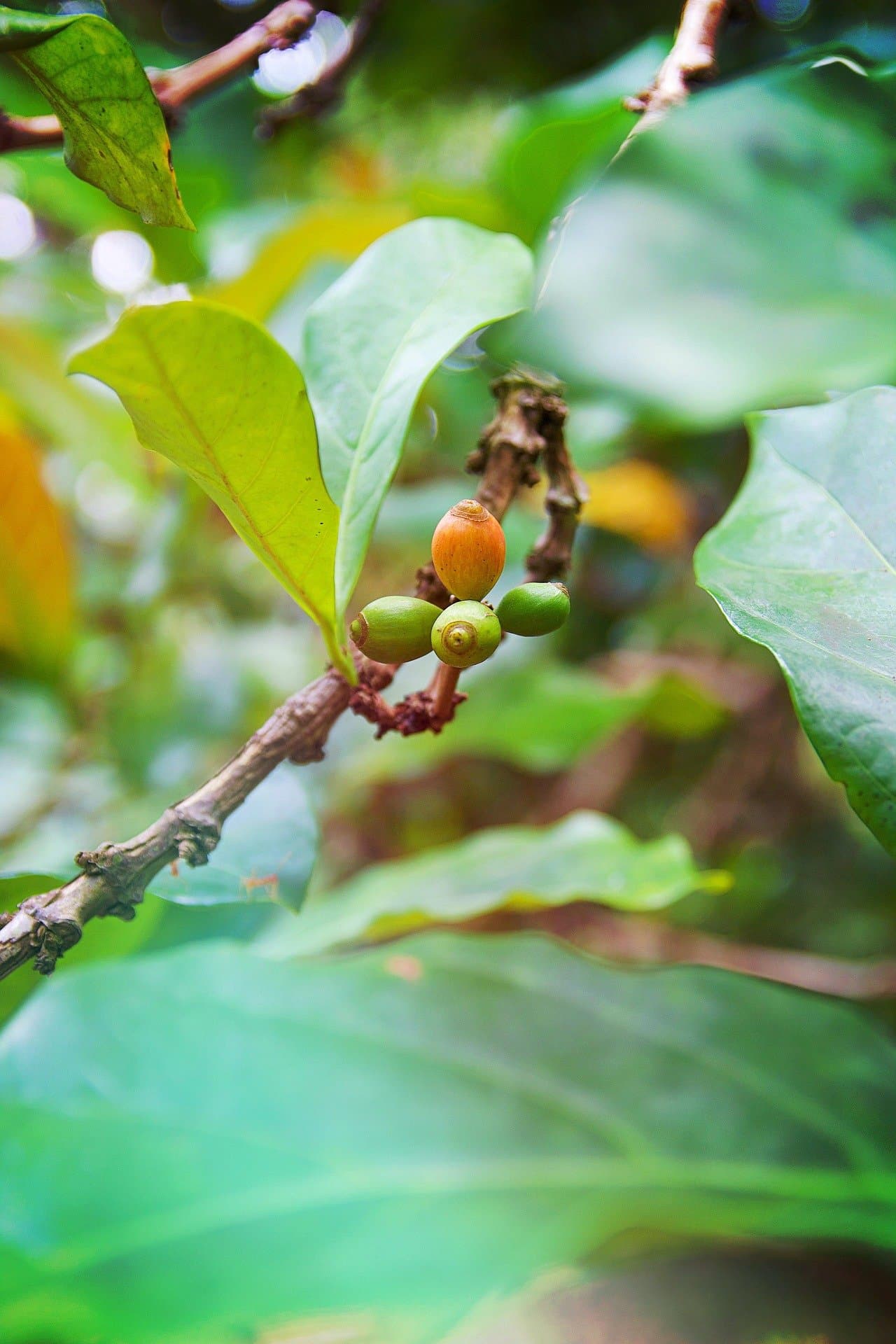
Experience
Tanzanian Coffee: From Farm to Cup
Tanzania's coffee grows on high ground — smallholder shambas shaded by banana and fig trees, where the cherries are still picked by hand. Spend a few hours with the people who farm, process and roast it, and taste the day's lot at the cupping table.
Explore