


Waterfalls of Tanzania
Tanzania's waterfalls are highland affairs: cold water, forest air and a walk that takes you through farmland and shade before you hear the falls at all. This is a slow, grounded day out, shaped by the season and the landscape around it.
The experience
A waterfall day in Tanzania begins long before you see water. Most falls here sit on the highland slopes, where rain and mist feed streams that spill over rock ledges into forest below. The walk in is often the best part of it: paths that pass small farms, banana and coffee plots and stands of tall trees, with the ground shifting from red earth to moss and stone underfoot.
Because these are working landscapes rather than set pieces, a waterfall changes character with the season. After the long rains the water arrives in force and throws spray across the rocks; in the drier months it thins to a bright curtain and the pools below run clear and cold. Neither version is the lesser one, but it is worth knowing which you are walking into.
Where a trail crosses farmland or village land, your guide will explain how access works and what is asked of visitors. Local knowledge is what makes these days work: which path is passable, where the rock is slippery, when the light reaches the falls, and how to move through a place that people live and work in.
Time at the water is unhurried. Some travellers swim where it is safe and appropriate to do so; others sit on the rocks and let the sound of it fill the afternoon. Either way, the point is the pace — a full day spent at the speed of walking.
What to expect
Expect a moderate walk on uneven ground rather than a short stroll from a car park. Roots, mud, loose stone and the occasional stream crossing are all normal, and the going can be slower after rain. Highland air is cooler than the plains, and the mist that keeps these slopes green also means the path may be damp underfoot.

- Footwear — shoes or boots with real grip, not smooth soles; expect them to get wet and muddy.
- Clothing — quick-drying layers and a light waterproof, with something warm for the higher, shaded sections.
- Water and snacks — carry your own for the walk in and out; there is rarely anything to buy on the trail.
- Sun and insects — sun protection for open farmland, repellent for the forest.
- Swimming — only where your guide confirms the water and rocks are safe; pools are cold, and currents rise quickly after rain.
- Respect and consent — ask before photographing people, farms or homes, and follow your guide's lead on where you may walk.
- Leave no trace — take everything out with you, including fruit peel and plastic.
Your guide sets the pace, and it is always fine to say if you would rather turn back or take a longer rest. Water flow, path conditions and access shift through the year, so the day is planned around what is genuinely possible when you travel.
A journey that feels like you.
Tell us where you want to go and how you like to travel. Our local team will help you bring it together.
The journey continues
Keep exploring.
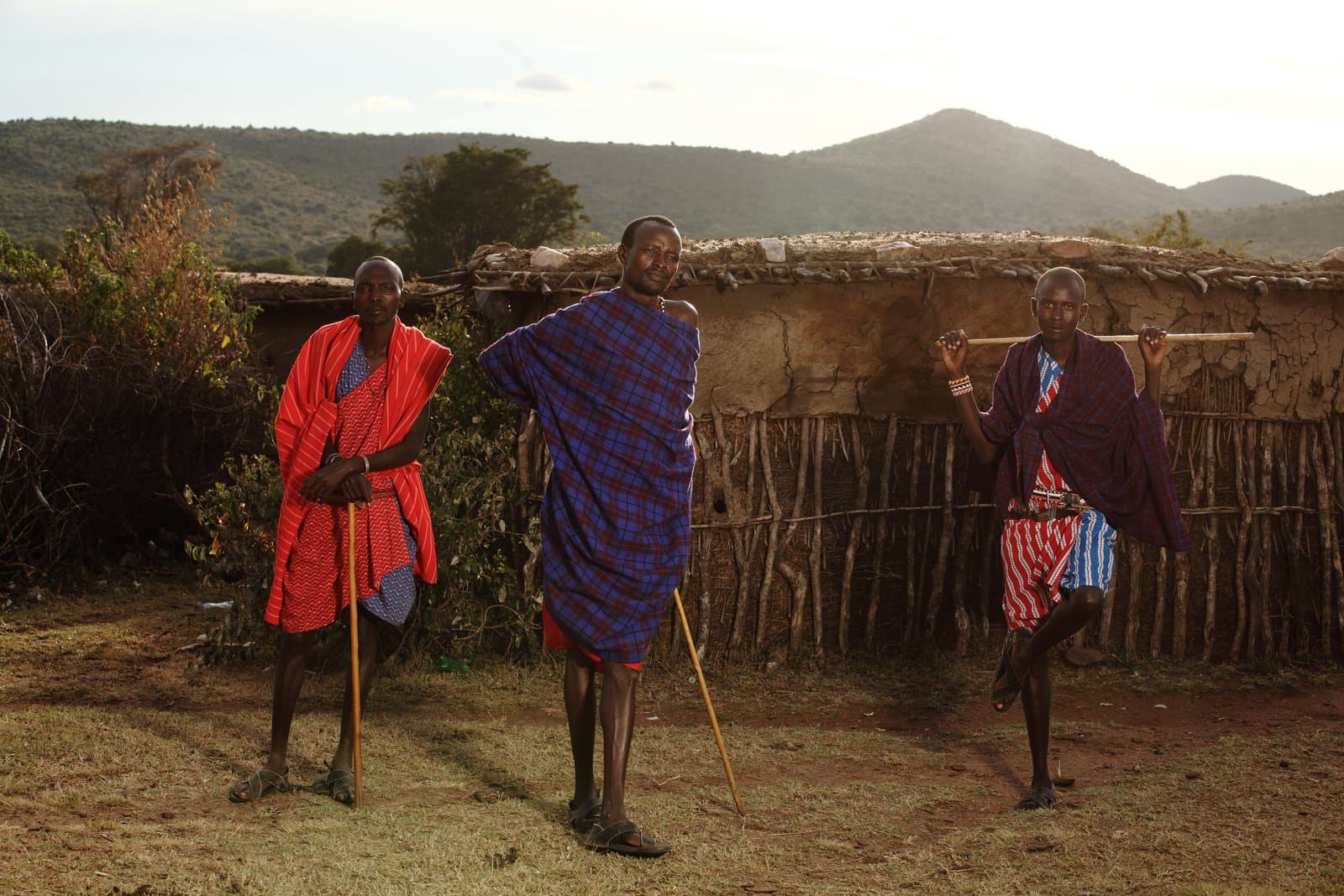
Experience
Maasai Experiences in Tanzania
Maasai experiences in Tanzania, arranged as part of a Finest Vision Adventures journey. We shape the detail with you when your itinerary is planned, and plan each visit with care and the community's consent.
Explore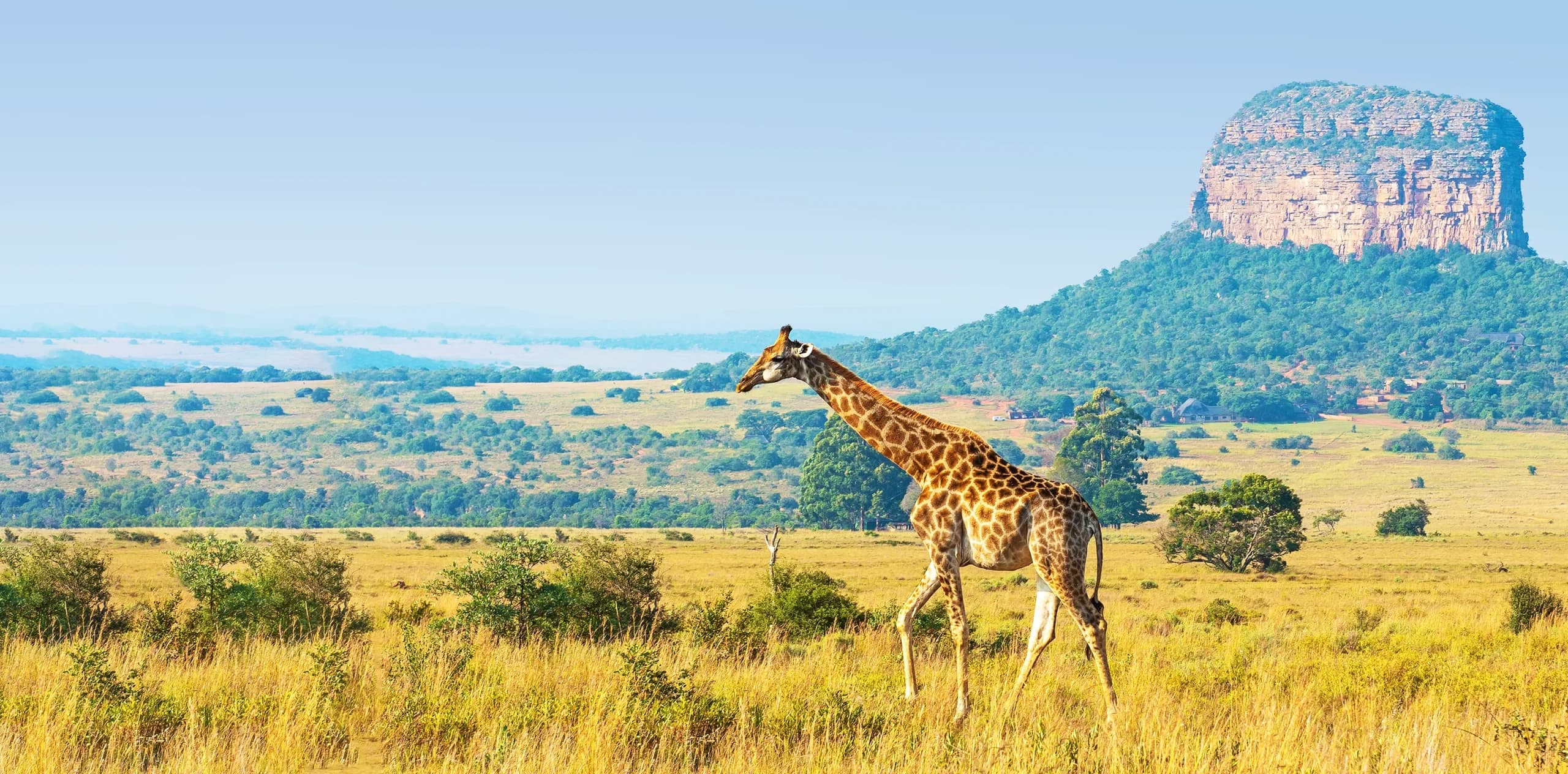
Experience
Tanzania Wildlife Safari
Tanzania holds some of the most varied wildlife country in Africa. This is a safari built around watching, waiting and travelling at the pace the bush sets, rather than a fixed list of sightings.
Explore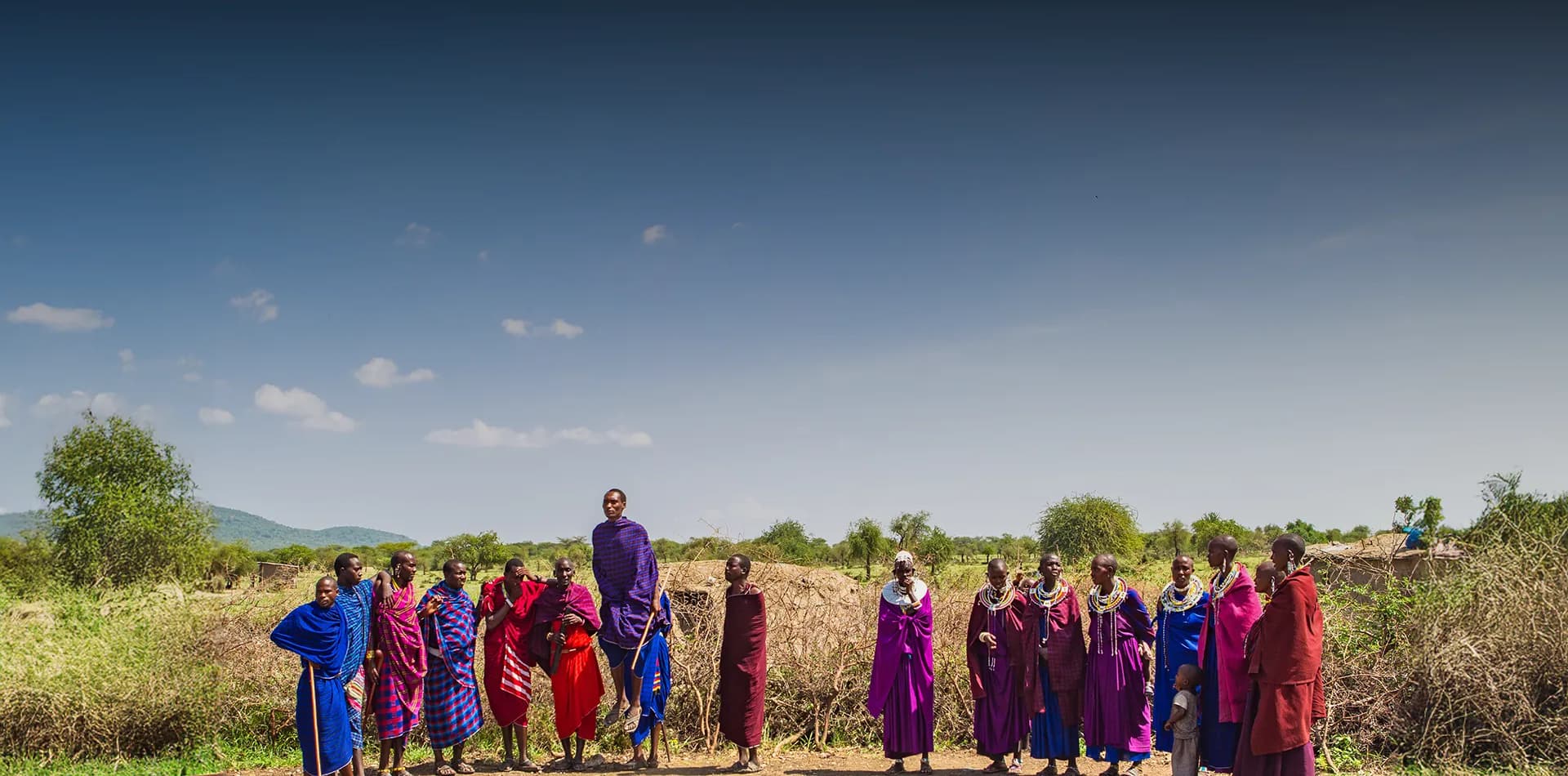
Experience
Culture
Time with Tanzania's people and everyday culture, alongside the landscapes you have come to see.
Explore